Alzheimer's Causes Symptoms and Treatment
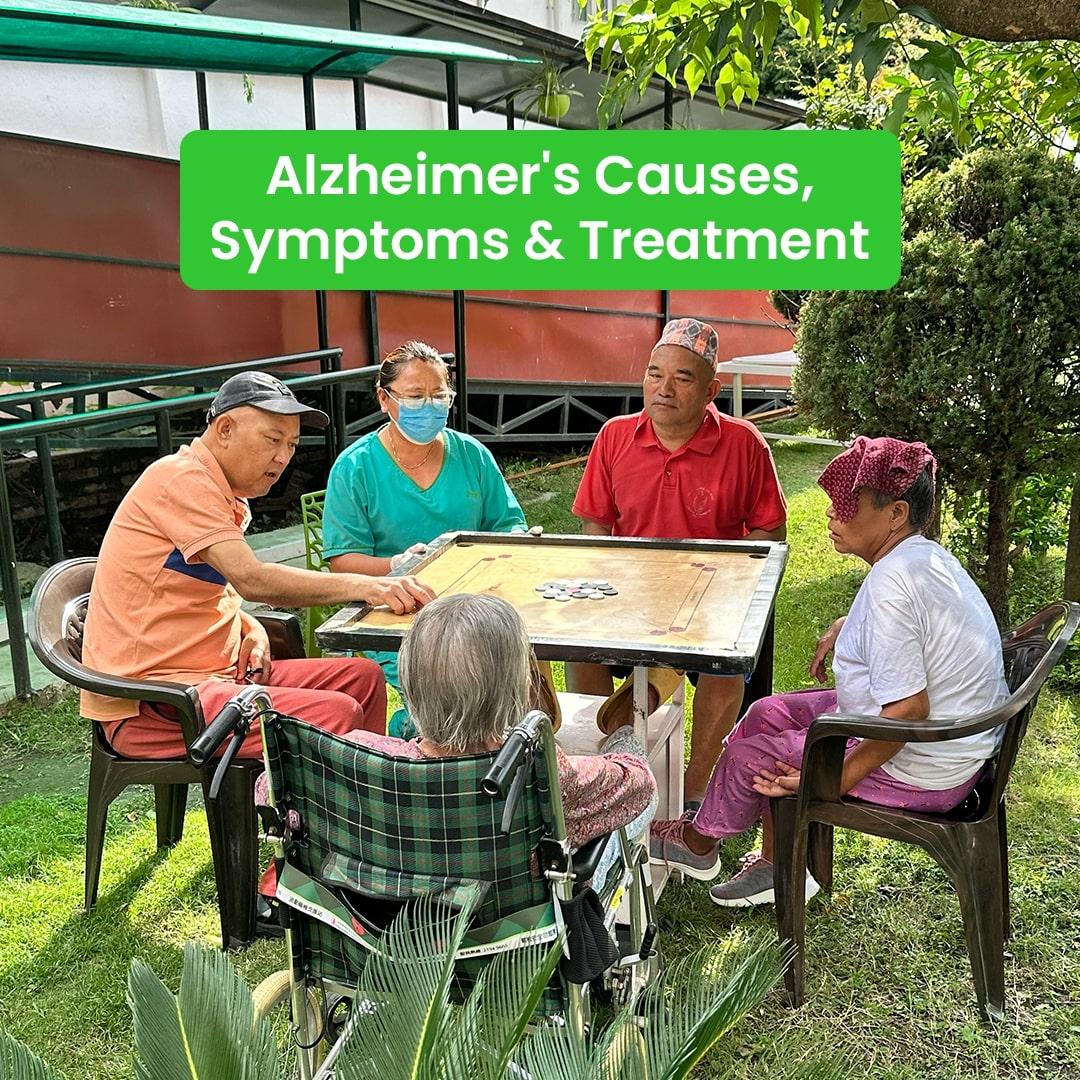
In recent years, you may have come across news about well-known actors, public figures, or even local personalities sharing their personal battles with memory loss and Alzheimer’s disease. Once considered a condition affecting only the very old, Alzheimer’s has now become a widely discussed topic sparking awareness and concern among families everywhere.
As more people begin to recognize its impact, the need for specialized care and understanding has never been greater. At Arogin Care Home, our mission is to provide holistic support for seniors living with Alzheimer’s and other forms of dementia combining medical expertise, emotional care, and family guidance to help every individual live with dignity and comfort.
What Is Alzheimer’s Disease?
Alzheimer’s disease is more than simple forgetfulness it’s a progressive brain disorder that slowly takes away a person’s memories, thoughts, and sense of self. It begins subtly, with small lapses like misplacing items or forgetting names, but over time, it steals the ability to recognize loved ones, communicate, and perform even basic daily tasks.
This gradual loss deeply affects not only the person but everyone around them. Families watch someone they love change before their eyes, which is why early awareness and specialized care are so important.
As the most common cause of dementia, Alzheimer’s accounts for nearly two-thirds of all dementia cases worldwide. While there is no permanent cure yet, early diagnosis and compassionate management can make a powerful difference helping individuals live with dignity, comfort, and connection for as long as possible.
Common Causes and Risk Factors of Alzheimer’s
Scientists haven’t found a single cause of Alzheimer’s, but research points to a combination of genetic, environmental, and lifestyle factors that contribute to its development.
1. Age and Genetics
- The biggest risk factor is age — most cases occur after age 65.
- Family history can increase risk, especially if close relatives were diagnosed.
- Certain genes, such as APOE-e4, are linked to higher likelihood of Alzheimer’s.
2. Brain Changes
- Abnormal buildup of beta-amyloid plaques and tau tangles disrupt communication between brain cells.
- This leads to neuron damage and brain shrinkage over time.
3. Lifestyle and Health Factors
- High blood pressure, diabetes, obesity, and high cholesterol can increase risk.
- Lack of physical activity, poor diet, smoking, and limited mental stimulation also contribute.
4. Environmental Triggers
- Repeated head injuries or long-term exposure to pollution may accelerate brain aging and raise Alzheimer’s risk.
Understanding these causes helps families take preventive steps through lifestyle management and regular health check-ups.
Early Signs and Symptoms of Alzheimer’s
Alzheimer’s often develops slowly, and symptoms can be mistaken for normal aging. Recognizing the early warning signs allows for timely medical attention and better management.
Common symptoms include:
- Memory loss that disrupts daily life — forgetting recent events or names
- Difficulty performing familiar tasks such as cooking or managing bills
- Language problems — struggling to find the right words
- Confusion with time or place
- Poor judgment and decision-making
- Withdrawal from social activities
- Changes in personality or mood, such as irritability or depression
Over time, these symptoms become more severe, requiring structured routines and professional cognitive decline care.
Diagnosis and Stages of Alzheimer’s
Diagnosis usually involves a neurological evaluation, memory tests, brain imaging, and blood tests to rule out other causes.
Alzheimer’s progresses through three main stages:
· Early stage: Mild forgetfulness and small lapses in memory.
· Middle stage: Increased confusion, wandering, and difficulty recognizing family members.
· Late stage: Severe memory loss, loss of speech, and dependence on full-time care.
Recognizing the stage helps caregivers and professionals design appropriate Alzheimer’s patient support plans.
Treatment and Management Options
Although there’s no cure, various treatments can slow symptom progression and improve quality of life.
a. Medication
- Cholinesterase inhibitors (e.g., Donepezil, Rivastigmine) help maintain communication between brain cells.
- Memantine can manage symptoms in moderate to severe cases.
- Doctors may prescribe antidepressants or antianxiety drugs for behavioral symptoms.
b. Lifestyle and Cognitive Therapy
- Regular exercise boosts brain circulation and mood.
- Memory-stimulating activities, puzzles, or art therapy encourage mental engagement.
- Structured routines reduce confusion and anxiety.
- Balanced diet rich in antioxidants and omega-3 supports brain health.
c. Professional Care
When home management becomes difficult, professional care homes like Arogin Care Home offer structured supervision, memory care programs, and emotional support — ensuring safety, dignity, and comfort for patients.
Living with Alzheimer’s: Guidance for Families
Caring for a loved one with Alzheimer’s is both emotionally and physically demanding. Families often experience burnout, guilt, and stress. Support networks and proper education make a significant difference.
Helpful tips:
- Keep communication calm and simple.
- Use reminders and daily schedules to reduce confusion.
- Encourage light activities or hobbies that bring joy.
- Seek professional dementia nursing in Nepal for advanced stages.
- Most importantly — take care of your own mental health.
Arogin Care Home also provides emotional counseling and caregiver support programs to guide families through every stage of care.
Arogin Care Home’s Approach to Alzheimer’s Care
At Arogin Care Home, Alzheimer’s care is built on compassion, expertise, and individual attention. Our services include:
- 24/7 supervision by trained dementia nurses
- Personalized care plans based on behavioral and medical needs
- Cognitive and physical therapy sessions
- Emotional and family counseling
- Safe and comfortable living environment designed for Alzheimer’s residents
Families can trust that their loved ones are cared for with dignity, respect, and professional guidance.
Conclusion
Alzheimer’s may not have a cure but with the right care and early intervention, individuals can still live meaningfully and comfortably. Understanding its causes, symptoms and treatment options empowers families to act with compassion and preparedness.
If your loved one is showing signs of Alzheimer’s or memory decline, don’t wait. Arogin Care Home offers professional, compassionate Alzheimer’s care and dementia nursing in Nepal helping families provide their loved ones the comfort and care they truly deserve.