How Alzheimer’s Dementia Affects Eating, Swallowing, and Nutrition Over Time
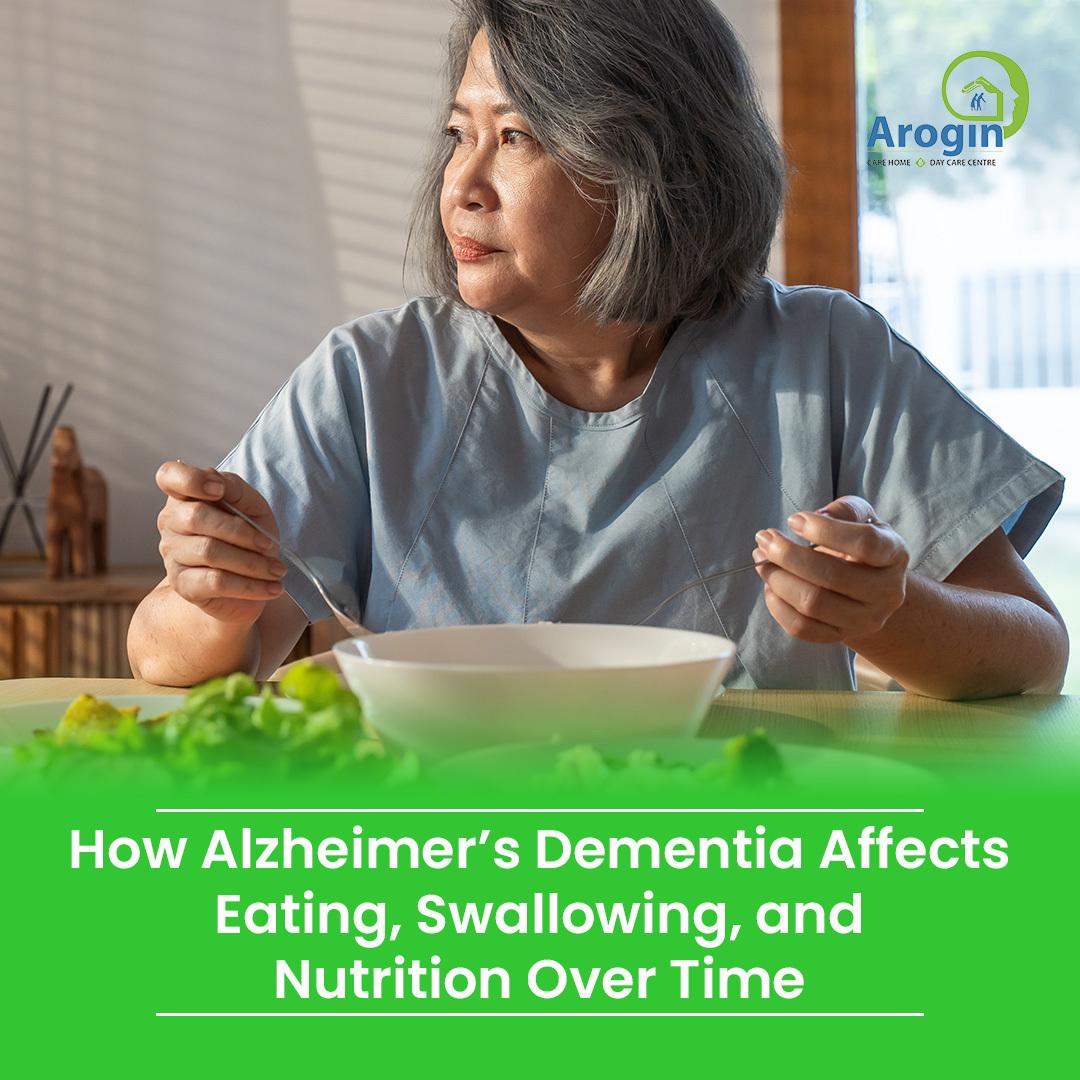
Alzheimer’s disease does not only affect memory. Over time, it quietly interferes with many basic daily activities, including eating, drinking, swallowing, and staying properly nourished. These changes often appear gradually, but their impact can be deeply distressing for both the person living with dementia and those caring for them.
Eating is never just about food. It involves memory, coordination, vision, taste, judgement, and communication. As Alzheimer’s damages these abilities, mealtimes can shift from something familiar and comforting into something confusing or even frightening. Understanding how and why this happens helps caregivers respond with patience rather than frustration.
Why Eating and Drinking Become Difficult in Dementia
As dementia progresses, the brain struggles to manage tasks that once felt automatic. A person may forget to eat or drink, fail to recognize food or cutlery, or lose the ability to coordinate chewing and swallowing. Changes in taste, smell, and vision further complicate the process.
These difficulties often build on one another. Someone who cannot recognize food may eat less. Someone who struggles to swallow may begin avoiding meals altogether. Over time, this can lead to weight loss, dehydration, constipation, increased infections, and overall physical decline.
How Appetite Changes Over Time
For many people with Alzheimer’s, appetite gradually decreases. Meals may feel overwhelming. Some individuals refuse food, spit it out, or become distressed when eating. This is rarely about stubbornness. It is often linked to pain from dental problems, difficulty chewing or swallowing, medication side effects, low mood, fatigue, or an inability to express hunger.
When reduced appetite continues, the body begins to weaken. Muscle mass decreases, energy levels drop, and recovery from illness slows. Persistent food refusal should always be reviewed by a medical professional.
At the same time, some people experience the opposite problem. They may forget they have already eaten or feel anxious about missing meals. This can lead to repeated eating, strong cravings, or fixation on certain foods. In these cases, emotional reassurance and gentle structure are more effective than strict control.
Drinking and the Risk of Dehydration
Hydration is one of the most commonly overlooked problems in dementia care. Many people with Alzheimer’s forget to drink, fail to recognise thirst, or struggle to hold a cup. Some cannot communicate their need for fluids at all.
Even mild dehydration can worsen confusion, cause dizziness, increase the risk of urinary tract infections, and make dementia symptoms more pronounced. Signs such as dry lips, dark urine, reduced urination, or increased agitation should never be ignored.
Regular reminders, accessible cups, and offering fluids throughout the day help reduce this risk. Foods with high fluid content can also make a meaningful difference.
Alcohol and Dementia
Alcohol further complicates eating and hydration issues. It increases confusion, raises the risk of falls, causes dehydration, and can interact dangerously with medications. For individuals whose dementia is linked to alcohol misuse, abstinence is essential. For others, intake often needs careful monitoring and medical guidance.
Changing Food Preferences and Sensory Shifts
As dementia progresses, taste and smell often fade. Food that once felt satisfying may seem bland, while sweet or strongly flavoured foods become more appealing. Some people narrow their diet to a few familiar items, seeking comfort and predictability.
Rather than forcing variety, caregivers can improve enjoyment by enhancing flavour gently, while respecting texture and safety needs.
When Time and Memory Overlap
Dementia can blur the sense of time. A person may believe they are living in an earlier stage of life, which can affect meal timing, portion sizes, and food preferences rooted in culture or past habits.
Responding with understanding, rather than correction, helps reduce distress and keeps mealtimes calmer and more meaningful.
Chewing and Swallowing Difficulties
As Alzheimer’s advances, swallowing problems become more common. A person may forget to chew, hold food in their mouth, cough during meals, or struggle with certain textures. These changes increase the risk of choking, malnutrition, and aspiration.
Any signs of swallowing difficulty should be addressed promptly with medical assessment and, when needed, support from speech and language therapists.
When Living Alone Becomes Risky
People with dementia who live alone may forget meals, struggle with cooking, or eat unsafe food. Clear labels, simple routines, ready meals, and meal delivery services can reduce risk and support continued independence.
Professional Dementia Care Support in Kathmandu
As eating and swallowing difficulties increase, many families turn to professional care. Arogin Care Home in Kathmandu provide supervised meals, hydration monitoring, and coordinated medical support designed specifically for people living with dementia.
Support for caregivers is equally important. Caring fatigue is common and should be addressed early.
Final Thoughts
Eating and drinking difficulties in Alzheimer’s disease are not behavioral issues. They are symptoms of a progressive neurological condition. With informed care, patience, and appropriate supervision, nutrition, comfort, and dignity can be preserved far longer than many expect.
Thoughtful care does not stop the disease, but it profoundly shapes how a person lives with it.