How to Take Care of Elderly People with Dementia at Home
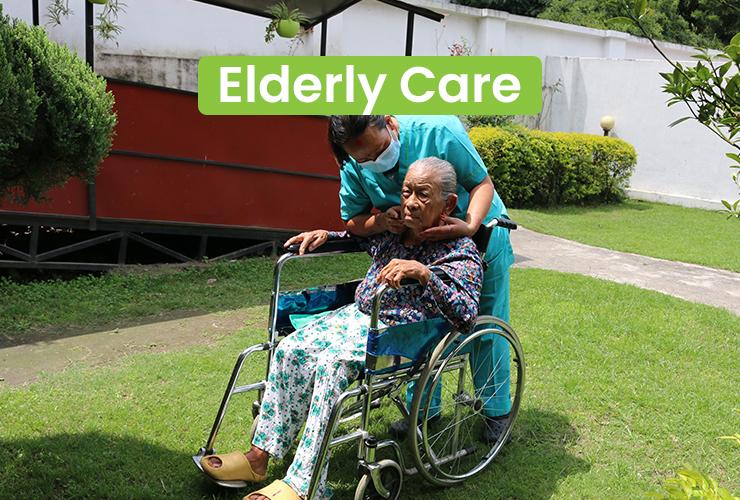
Caring for older family members with dementia is a highly caring task, but it also presents several problems. From memory loss and disorientation to behavioral changes, dementia may have a substantial influence on both the patient and their caregivers' everyday lives.
In Nepal, the need for efficient Alzheimer's care is fast increasing, and while dementia care at home is typically the first option for many, knowing when to seek expert assistance, such as that provided by Arogin Care Home, may make all the difference in ensuring your loved ones receive the care they deserve.
Understanding Dementia and Its Impact
Dementia is a wide term that refers to a decline in cognitive function severe enough to interfere with daily activities. The most common kind is Alzheimer's disease, which progresses gradually and affects memory, thinking, and behavior.
Symptoms may include:
· Memory loss especially short-term memory
· Confusion about time and place
· Difficulty doing familiar tasks
· Mood swings or withdrawal
Creating a Safe and Supportive Home Environment
One of the most important considerations in dementia care at home is the patient's safety:
1. Simplify the house layout by removing clutter, labeling areas and using contrasting colors for easy navigation.
2. To prevent accidents install grab bars in restrooms protect carpets and lock dangerous goods.
3. Establish a consistent daily schedule can minimize anxiety caused by unpredictability.
Communication Techniques for Dementia Care
As dementia develops, communicating becomes increasingly difficult. Adapting how you engage is critical in caring for the elderly with memory loss:
· Use simple, short sentences and talk clearly.
· Maintain eye contact and be patient, especially if they repeat themselves.
· Instead of arguing or correcting, provide reassurance and redirection.
· Use nonverbal clues and good body language to communicate effectively.
Daily Care Practices for Dementia at Home
Knowing how to care for older individuals on a daily basis includes more than simply safety it's about fostering well-being:
· Nutrition: Provide modest, healthy meals that they love. Avoid distractions at eating.
· Hydration: Encourage regular sips of water or serve fluids with meals.
· Physical activity: Regular physical exercise, such as short walks or light stretching, can assist preserve mobility.
· Mental stimulation: Provide mental stimulation with music, picture albums, or easy puzzles.
If this level of care becomes too much to handle at home, Arogin Care Home provides specialized help in a friendly residential setting.
Emotional and Behavioral Management
Mood swings, impatience, and violence are prevalent. Understanding their triggers is crucial:
· Stay cool and composed. Your mood affects theirs.
· Redirect negative behavior by changing the surroundings or providing calming activities.
· Track behavioral patterns to anticipate and prevent future incidents.
Support Services and Resources in Nepal
In recent years, dementia support services in Nepal have increased, although many families are still don’t know of the available options.
· Residential and day care for dementia: Arogin Care Home offers residential and day care services for older adults with dementia.
· In-home caregiver referrals: Referrals for in-home caregivers for families that choose home care.
· Support groups and caregiver training: To help families feel less alone.
Conclusion
Learning how to care for elderly people with dementia at home is critical, as is knowing when to seek help. With the right information, a safe environment, and a strong support network, many families can successfully manage dementia care at home in the early stages.
However, if it becomes too much for you to handle alone Arogin Care Home is here to assist with compassionate skilled dementia care. Whether you need full-time care or day care we are committed to improving the lives of the elderly and their families in Nepal.
Frequently Asked Questions (FAQ)
1. Is dementia care at home realistic for the long term?
It depends on the stage of the condition. Early stages may be manageable at home with support, but advanced stages often require professional care.
2. What’s the difference between Alzheimer’s and other forms of dementia?
Alzheimer’s is the most common type of dementia, characterized by gradual memory loss. Other types include vascular dementia and Lewy body dementia, each with unique symptoms.
3. What dementia support services are available in Nepal?
Services include in-home care, caregiver support groups, and residential facilities like Arogin Care Home, which specialize in dementia support services in Nepal.
4. How do I know when it’s time for residential care?
If safety is at risk, care becomes overwhelming, or the person cannot perform daily activities independently, residential or day care for dementia may be the best option