Physiotherapy After a Stroke: A Complete Guide to Recovery at Home
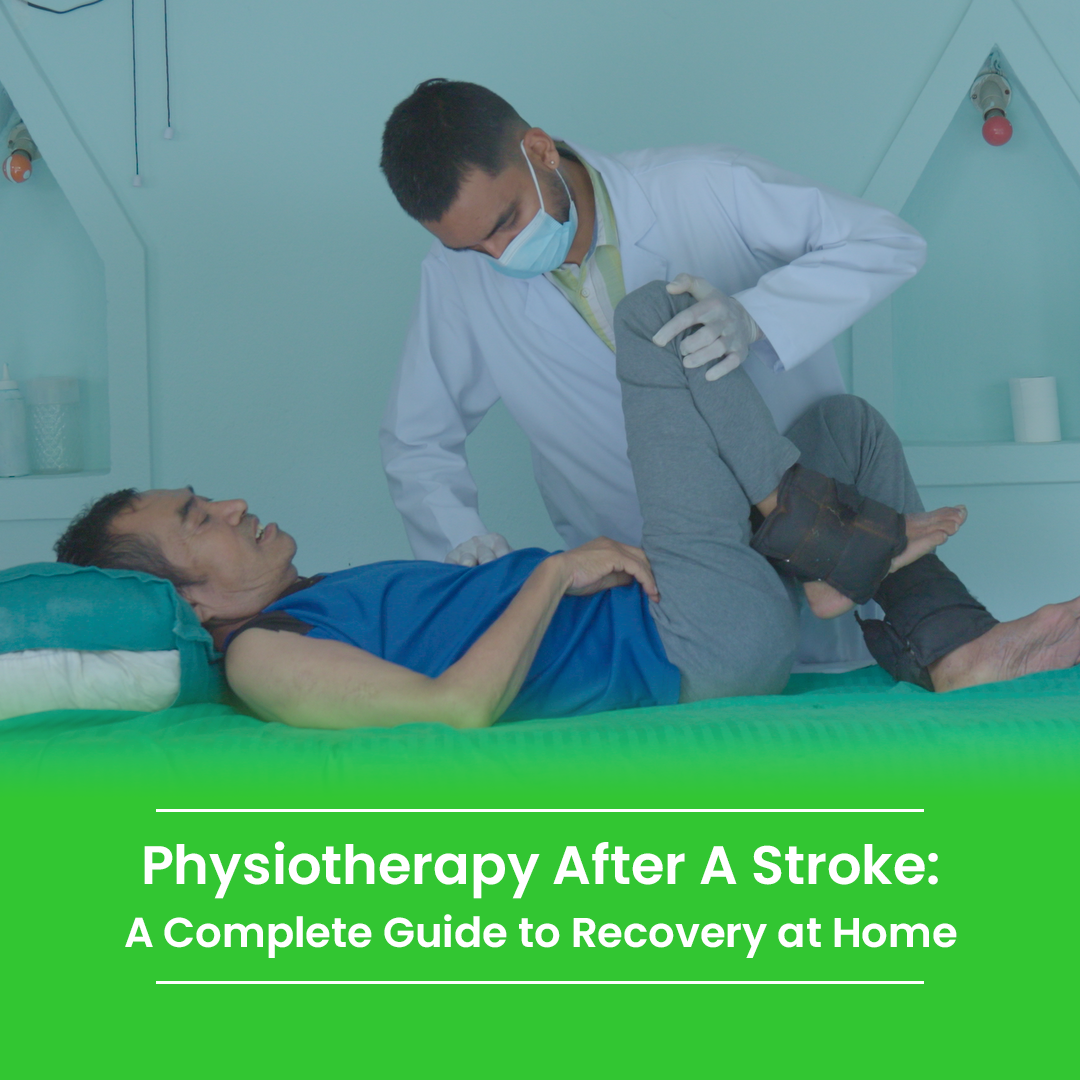
A stroke changes life suddenly. Movement, speech, balance and independence can all be affected within minutes. For stroke survivors and their families, the period after hospital discharge often brings uncertainty about what recovery really looks like and what can be done at home.
Physiotherapy after a stroke is one of the most important parts of rehabilitation. It helps the body and brain relearn lost skills, reduces long-term disability and supports a return to daily activities. Whether recovery begins in a hospital, rehabilitation center or at home, timely and consistent physiotherapy plays a direct role in how much function a person regains.
This guide explains how post-stroke physiotherapy works, when it should start, what benefits to expect and why home-based stroke rehabilitation is often the most practical option for families in India.
What Is Physiotherapy After a Stroke?
Physiotherapy after a stroke is a structured rehabilitation process focused on restoring movement, strength, balance and functional independence. A stroke damages areas of the brain responsible for controlling muscles and coordination. Physiotherapy helps retrain these connections through guided movement and repetition.
A qualified physiotherapist assesses muscle strength, joint movement, balance, posture and mobility. Based on this assessment, a personalized therapy plan is created that adapts as the patient improves.
Core Goals of Stroke Physiotherapy
Physiotherapy programs for stroke patients are designed to:
- Improve muscle strength and joint mobility
- Restore balance and coordination
- Reduce stiffness, tightness and spasticity
- Prevent complications such as pressure sores and joint contractures
- Support independence in daily activities like sitting, standing and walking
Why Physiotherapy Is Essential After a Stroke
Regaining Movement and Mobility
Many stroke survivors experience weakness or paralysis, commonly on one side of the body. Physiotherapy activates affected muscles, improves control and helps patients relearn basic movements such as turning in bed, sitting upright, standing safely and walking with or without support.
Supporting Brain Recovery Through Neuroplasticity
The brain has the ability to adapt and reorganize itself, a process known as neuroplasticity. Repetitive, task-specific exercises guided by a physiotherapist encourage the brain to form new pathways. This is why regular physiotherapy exercises for stroke recovery are linked to better long-term outcomes.
Preventing Secondary Health Problems
Limited movement after a stroke can lead to additional medical issues, including muscle stiffness, joint pain, blood clots, pressure sores and reduced lung capacity. Physiotherapy promotes circulation, maintains joint health and reduces the risk of these complications.
Improving Confidence and Emotional Well-being
Recovery is not only physical. Regaining small abilities, such as standing independently or holding objects, improves confidence and motivation. Physiotherapy provides structured progress, which helps patients stay engaged and emotionally resilient during recovery.
When Should Physiotherapy Start After a Stroke?
Physiotherapy should begin as soon as the patient is medically stable, often within 24 to 48 hours after a stroke. Early movement reduces complications and improves functional recovery.
The intensity and type of physiotherapy change over time. Early sessions may focus on gentle movements and positioning, while later stages involve balance training, walking practice and strength-building exercises.
Starting physiotherapy early and continuing it consistently is one of the strongest predictors of better recovery.
Home Physiotherapy for Stroke Patients
Why Home-Based Stroke Rehabilitation Works
For many families, home physiotherapy after stroke is the most practical and comfortable option. Therapy delivered at home allows patients to recover in familiar surroundings, reducing stress and fatigue.
Home physiotherapy offers:
- One-on-one attention from a qualified physiotherapist
- Therapy tailored to the patient’s home environment
- Reduced travel strain and infection risk
- Better involvement of family members in care
- Consistent sessions without missed appointments
Home-based physiotherapy is especially suitable for elderly patients, those with limited mobility and individuals recovering from moderate to severe strokes.
What Happens During Home Physiotherapy Sessions
A home physiotherapist focuses on functional recovery. Sessions may include bed mobility training, sitting and standing balance, assisted walking, strengthening exercises, stretching to reduce stiffness and guidance on safe movement during daily activities.
Therapy plans are regularly adjusted based on progress and tolerance.
Role of Caregivers in Stroke Recovery
Caregivers are a critical part of successful stroke rehabilitation. With professional guidance, caregivers can support recovery safely and effectively.
Physiotherapists train caregivers to:
- Assist with exercises correctly
- Maintain proper posture and positioning
- Support safe transfers and mobility
- Encourage regular practice without causing strain
This shared approach improves consistency and reduces the risk of injury for both patient and caregiver.
How Long Does Stroke Physiotherapy Take?
There is no fixed timeline for stroke recovery. Some patients improve within months, while others require longer-term physiotherapy. Recovery depends on factors such as stroke severity, age, overall health and consistency of therapy.
Physiotherapy focuses on gradual progress. Even small improvements in strength, balance or coordination can significantly improve daily life.
Why Choose Arogin care home for Stroke Physiotherapy?
Arogin care home provides professional home physiotherapy services for stroke survivors across India. Our approach is centered on patient safety, dignity and practical recovery.
Our stroke physiotherapy care includes:
- Experienced and qualified physiotherapists
- Personalized rehabilitation plans based on clinical assessment
- Home-based therapy focused on real-life movement
- Ethical, transparent care practices
- Support for both short-term and long-term recovery needs
We understand that every stroke recovery journey is different. Our goal is to help patients regain as much independence as possible, at their own pace.
Frequently Asked Questions
How long does physiotherapy last after a stroke?
Physiotherapy may continue for several months or longer, depending on recovery goals and stroke severity. Many patients benefit from ongoing guided therapy combined with home exercises.
Can stroke patients fully recover with physiotherapy?
Physiotherapy improves movement, balance and independence. Full recovery varies by individual, but early and consistent therapy leads to better functional outcomes.
Is home physiotherapy safe for stroke patients?
Yes. When delivered by trained professionals, home physiotherapy is safe, effective and well suited for patients with mobility limitations.
How often should physiotherapy be done after a stroke?
Most stroke patients require physiotherapy three to six times per week, depending on their condition and tolerance.
Does physiotherapy help with balance and coordination?
Yes. Physiotherapy plays a key role in improving balance and coordination. Speech difficulties are usually addressed by speech therapists working alongside physiotherapists.
Conclusion
Stroke recovery takes time, patience and structured care. Physiotherapy after a stroke is not optional rehabilitation support. It is a core part of regaining movement, independence and quality of life.
With professional home physiotherapy, consistent guidance and caregiver involvement, meaningful recovery is possible. Arogin care home is committed to supporting stroke survivors and families with reliable, compassionate physiotherapy care at home.
Contact Arogin care home to begin a personalized stroke physiotherapy plan designed around your needs.