Signs Your Loved One May Need a Residential Care Home
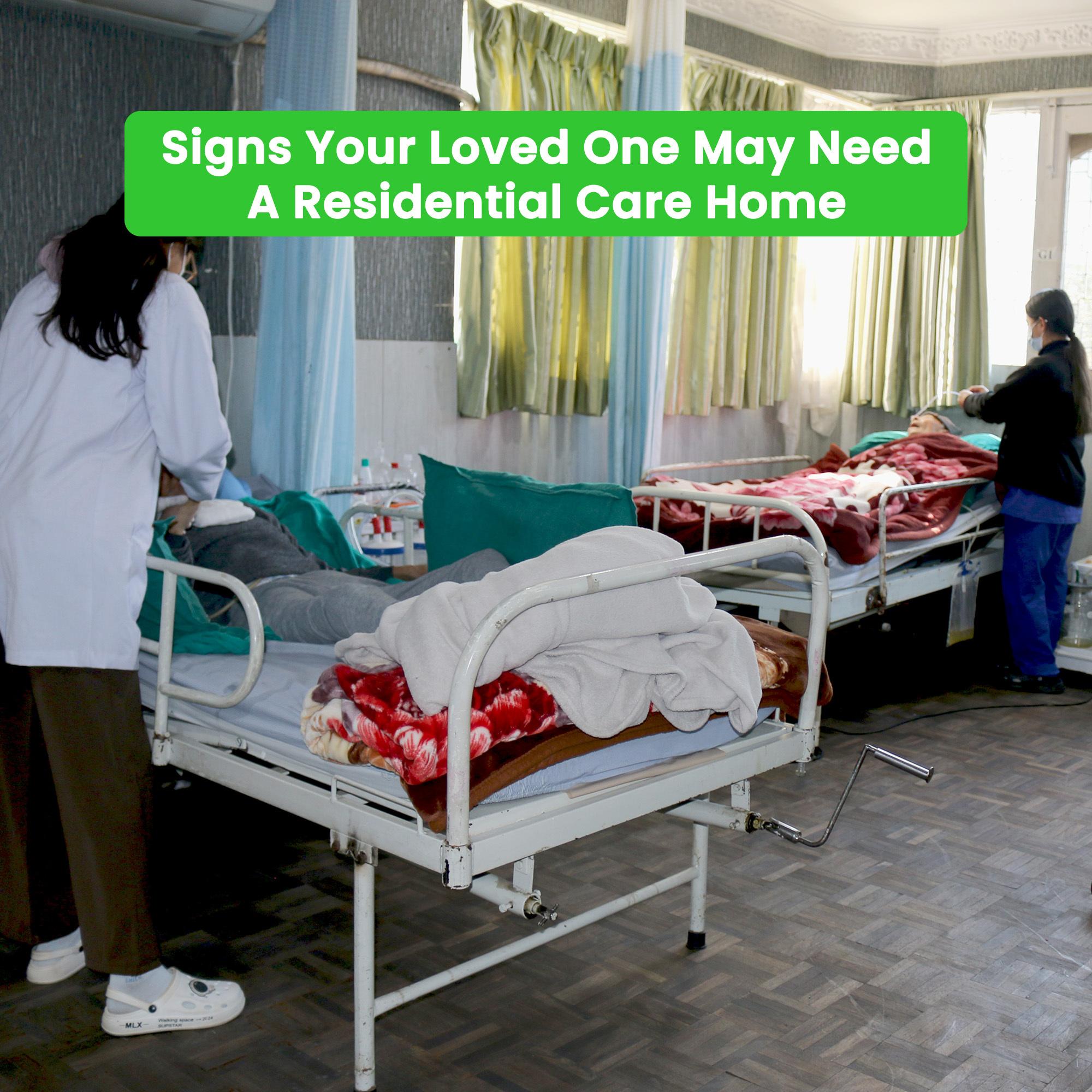
As loved ones become older, subtle changes might suggest greater elder care needs. Identifying problems early on is crucial for planning the right assistance. Ignoring them can result in higher dangers over time. A residential care home can help address these needs by providing senior care, assisted living, and a more secure daily routine. Taking action early starts with a comprehensive care assessment to determine what kind of care is actually required.
Early Signs That Shouldn’t Be Ignored
Often, the initial symptoms arise during regular activities. You may notice your loved one wearing the same clothing for several days, missing a doctor's visit, or feeling dizzy when walking across the room. Emotional and cognitive adjustments are also important. Confusion, mood swings, or distance from family and friends can be as painful as physical deterioration.
Some common signals include:
- Difficulty in daily tasks
- Isolation, forgetfulness or mood swings
- Frequent falls, poor hygiene or neglect of personal care
Most families respond with love and dedication, regulating medications or remaining close to prevent accidents. But, with time, the responsibility of caregiving can become unbearable. You may be continuously thinking, "What if anything happens when you're not there?"
Why Consider a Residential Care Home?
A residential care is a place to live that provides a caring environment in which elders are cared for around all of the time. With safer environments, families feel confident that their loved ones will never feel alone in dealing with the challenges of aging.
In a residential care home, seniors benefit from:
- 24/7 professional support and health monitoring
- Social engagement, activities and companionship that prevent loneliness
- Safer environments for those living with mobility issues or cognitive decline
Taking the First Step with Confidence
The decision of enrolling a loved one in a residential care home can be difficult, but it does not have to be forced. Start with a professional care evaluation to determine the right aid. Exploring potential homes, meeting staff and experience the area culture can all boost your confidence.
At Arogin Care Home, we help families understand every stage of their journey. From evaluation to transition we provide care, comfort and a sense of belonging. Our approach guarantees that seniors get the medical and personal care they need also feel like they belong in a community.
Conclusion
It is difficult to see a loved one age, and accepting that family support isn't always enough is one of the most difficult decisions to make. However, it is also a loving gesture. A residential care facility can provide your loved one with the safety, support, and companionship they need while also giving your family peace of mind.
If you see any of these signs and are unsure what to do next, call a senior support specialist. At Arogin Care Home, we've helped countless families in Nepal feel confident about making this important transition. The earlier you recognize the warning signs, the sooner you may make steps to maintain your independence and well-being.