The Role of Nursing Care in Managing Dementia Safely
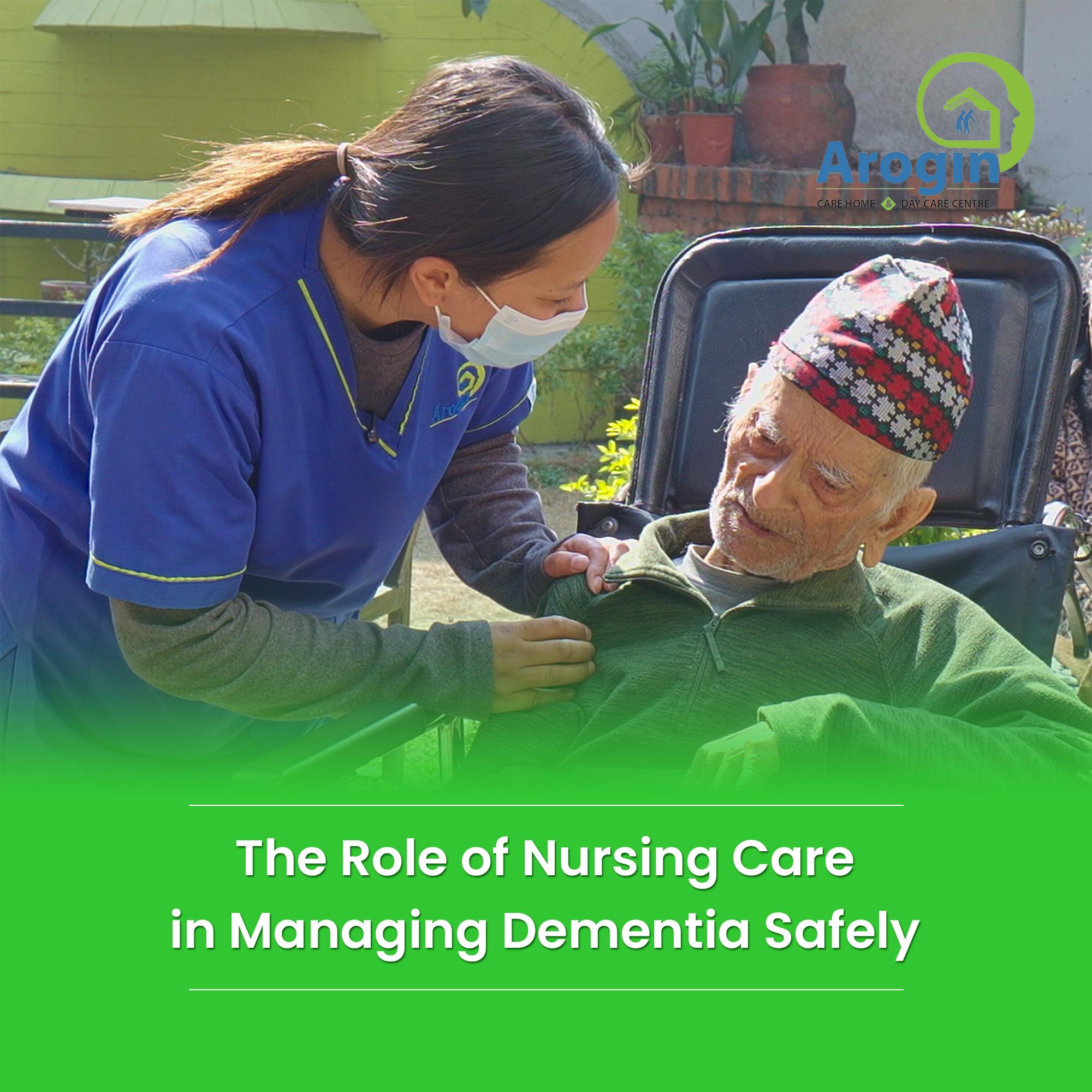
Dementia is not only a medical diagnosis. It is a long, uneven journey that reshapes daily life for the person affected and for those who care about them. As memory fades and behavior changes, families often find themselves balancing concern for safety with a desire to preserve dignity and independence. In this space skilled nursing care becomes less about treatment and more about steady, informed presence.
At Arogin Care Home in Bishalnagar, Kathmandu, dementia care is approached as a combination of clinical responsibility and human attentiveness. Safety matters but so does familiarity, reassurance and respect for the person behind the condition.
Why Dementia Requires Skilled Nursing Supervision
Dementia is a progressive neurological condition that affects memory, reasoning, communication and the ability to manage everyday tasks. Alzheimer’s disease, vascular dementia and related conditions often bring gradual but meaningful changes in behavior, judgement and physical coordination.
As the condition advances, individuals may experience increasing confusion, difficulty expressing needs, disrupted sleep, emotional distress or reduced awareness of risk. Falls, medication errors, wandering and untreated infections become more likely without consistent supervision.
Nursing care plays a central role here. Not by controlling daily life but by quietly reducing risk, recognizing early warning signs and responding before small issues become medical emergencies.
Arogin Care Home: Care Grounded in Comfort and Continuity
Arogin Care Home was established to provide structured, long-term care in an environment that feels calm and familiar rather than clinical. Located in Bishalnagar, Kathmandu, the care home supports seniors and individuals with complex needs, including dementia, stroke recovery and long-term rehabilitation.
Care is delivered by a multidisciplinary team that includes registered nurses, doctors, physiotherapists, rehabilitation professionals and trained care assistants. This collaborative approach allows medical needs, mobility, emotional wellbeing and daily routines to be addressed together, rather than in isolation.
How Nursing Care Supports Safe Dementia Management
Ongoing Supervision and Risk Reduction
People living with dementia often remain physically active even as judgement and spatial awareness decline. This combination increases the risk of falls, wandering and injury. Continuous nursing supervision helps maintain safety without unnecessary restriction, allowing residents to move and participate within safe boundaries.
Medication Management and Monitoring
Many individuals with dementia take multiple medications for memory symptoms, mood changes, sleep or other chronic conditions. Nurses ensure medications are given correctly, observe for side effects and communicate with doctors when adjustments are needed. This reduces avoidable complications and hospital visits.
Individualized Care Planning
Dementia does not follow a fixed path. Nursing care at Arogin is guided by personalized care plans that reflect each resident’s stage of dementia, physical health, emotional needs, cultural background and daily habits. Familiar routines and preferences are respected wherever possible, helping residents feel more secure.
Emotional Support and Communication
Changes in behavior or mood are often expressions of discomfort, fear or confusion rather than intentional actions. Nurses are trained to recognize these signals and respond calmly, using reassurance rather than correction. This approach can significantly reduce agitation and distress over time.
Integrated Services Under One Roof
Managing dementia safely often requires more than one type of support. Arogin Care Home provides coordinated services that allow care to adapt as needs change, including nursing care, dementia and Alzheimer’s support, stroke rehabilitation, physiotherapy, palliative care and day or residential care options. Having these services available within one setting helps maintain continuity and reduces stress for families.
What Families Often Notice Most
For many families, the most meaningful change is not medical data but peace of mind. Knowing that a loved one is supervised, understood and treated with respect can ease the emotional burden that often accompanies dementia caregiving. Residents benefit from fewer preventable complications, while families gain consistent communication and reassurance.
Choosing the Right Dementia Care Environment
When considering professional dementia care, families often find it helpful to look beyond facilities and ask practical questions. Is nursing supervision available at all times? Are care plans reviewed as the condition changes? Does the environment feel calm rather than overstimulating? How are families kept informed? These details often matter more than appearances.
A Thoughtful Closing
Dementia care is not about controlling symptoms alone. It is about protecting safety while preserving personhood. Skilled nursing care provides the structure that makes this balance possible.
At Arogin Care Home, the aim is to support individuals with dementia in a way that feels steady, respectful and humane, while helping families feel less alone in the process. Care is delivered quietly, consistently and with attention to the small details that shape daily life.